
Why Every Tottenham Signing Fits Roberto De Zerbi's Vision
There are transfer windows that feel reactive, driven by short-term needs and market opportunities. Then there are windows that reveal a club's identity before a ball has even been kicked.
Tottenham Hotspur's recruitment this summer appears to fall firmly into the latter category.
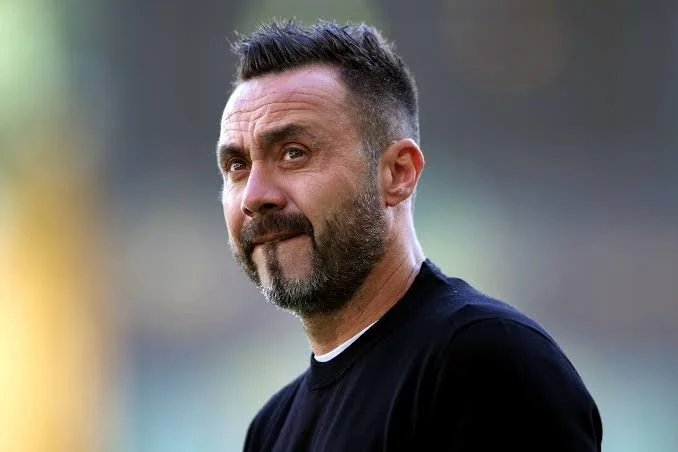
After a season that fell well below expectations, Spurs have entrusted Roberto De Zerbi with leading the next phase of the club's evolution. The early business suggests the club are attempting something more ambitious than simply replacing outgoing players. Instead, they are assembling a squad built specifically around De Zerbi's tactical principles.
Whether it succeeds will only become clear over the coming months, but the direction of travel is already evident.
Building Through the Middle
The standout arrival is Mateus Fernandes.
The Portuguese midfielder possesses many of the qualities De Zerbi demands from central players: composure under pressure, progressive passing and an ability to receive possession in congested areas without disrupting the team's rhythm.
For managers who value positional play, midfielders are more than ball winners. They dictate tempo, manipulate pressing structures and provide the platform for every attacking move.
Fernandes fits that profile.
The transfer represents a significant financial commitment, but it also reflects Tottenham's willingness to invest in players entering their prime rather than relying solely on established stars.
The Tonali Factor
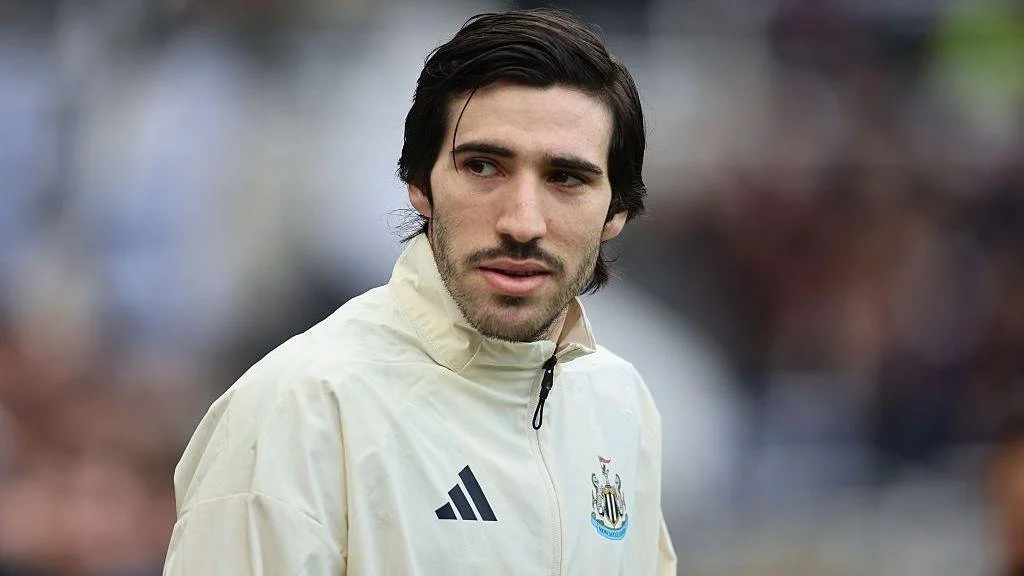
If completed, the addition of Sandro Tonali would elevate Tottenham's midfield rebuild from promising to transformative.
Tonali offers a different profile to Fernandes. Where Fernandes thrives in carrying the ball and linking phases of play, Tonali operates as a deep-lying orchestrator, dictating tempo from the base of midfield. His ability to receive under pressure, switch play quickly and break opposition lines with progressive passing aligns closely with De Zerbi's positional principles.
Just as importantly, Tonali brings intensity without the ball. His work rate and defensive awareness would allow Tottenham to press higher and recover possession more effectively, something De Zerbi demands from his central players.
A midfield pairing of Tonali and Fernandes would provide both control and progression — two qualities Spurs have often lacked against elite opposition. It would also give the attacking players greater freedom, knowing the structure behind them is technically secure.
Financially, such a move would represent a significant statement of intent. But tactically, it would signal something even more important: Tottenham are not simply adding talent, they are building a system.
Familiar Faces for a Familiar System
Jan Paul van Hecke's arrival carries equal importance, even if it has generated fewer headlines.
Having previously worked under De Zerbi, the Dutch defender understands the demands of building attacks from deep while defending aggressively in open spaces.
Those tactical details matter.
Managers often spend months teaching centre-backs how to receive under pressure, when to step into midfield and how to trigger pressing traps. Van Hecke arrives with that education already in place.
His adaptation period should therefore be considerably shorter than many new arrivals.
Experience Still Has Value
Not every signing has been focused on youth.
Andy Robertson brings leadership, elite-level experience and an understanding of what is required to compete for major honours. Even if his physical peak is behind him, his professionalism and consistency offer qualities Tottenham's relatively young squad has occasionally lacked.
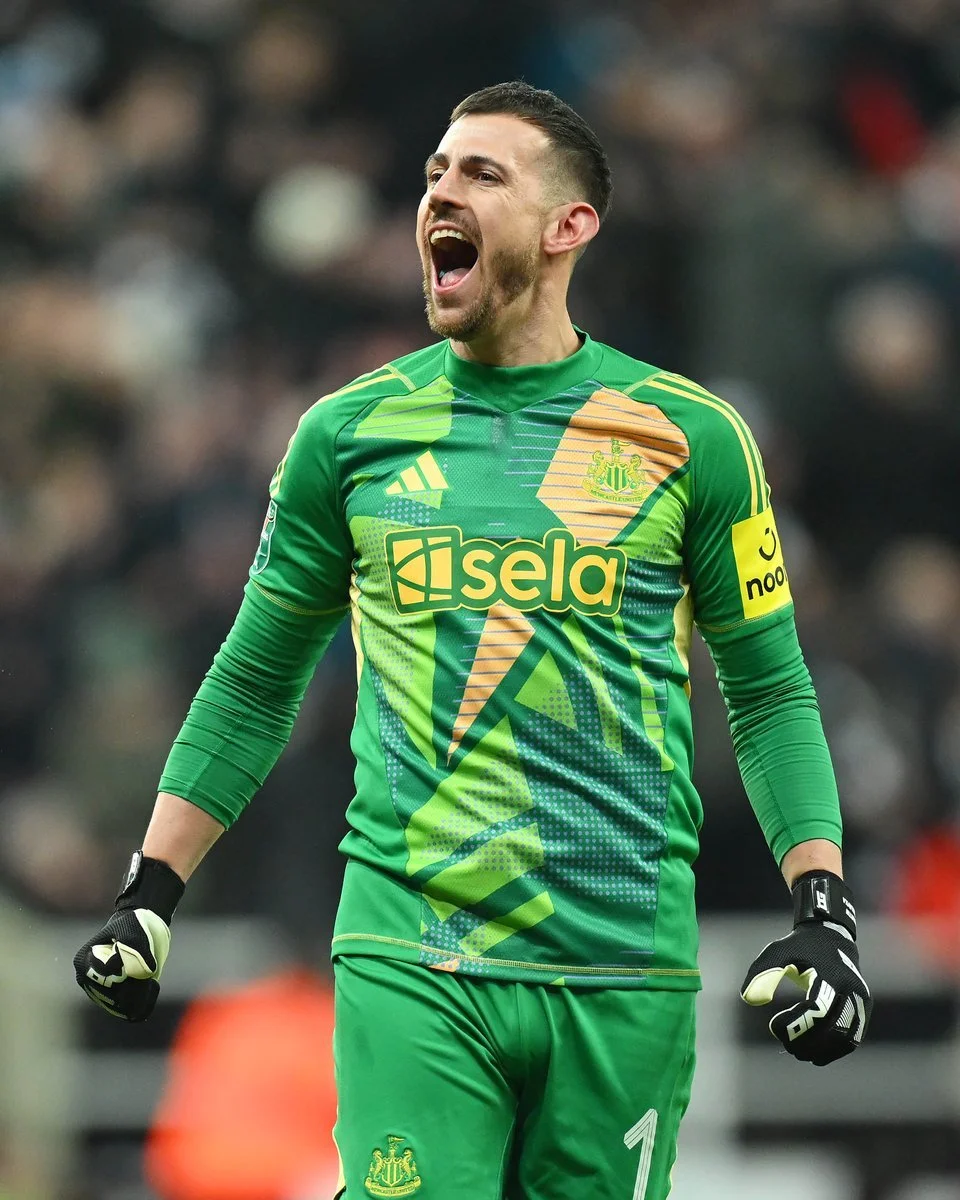
Martin Dúbravka also provides dependable depth in goal, ensuring competition remains healthy throughout the squad.
Championship-winning teams are rarely built solely around exciting prospects. Experience continues to have an important role.
What Happens Next?
Tottenham's work may not yet be complete.
The club continues to be linked with another high-profile central midfielder, suggesting De Zerbi wants greater control in possession and more technical security against elite opponents.
Should another major midfield signing arrive before the window closes, it would further underline the club's intention to dominate games rather than simply compete within them.
Equally important will be departures.
Several players who no longer fit the manager's preferred style are expected to move on, reducing squad congestion while generating additional funds for further recruitment.
More Than New Players
Perhaps the most interesting aspect of Tottenham's summer is that each signing appears connected by a common thread.
Rather than collecting talented individuals, Spurs seem focused on acquiring footballers who complement one another within a defined tactical framework.
That has not always been the case in recent years.
Supporters have often questioned whether recruitment and coaching were aligned. This summer feels different. The profiles are younger, technically stronger and seemingly chosen with a clear football philosophy in mind.
Early Verdict
Transfer windows are ultimately judged months, not days, after they close.
Big fees guarantee nothing, and tactical ideas still require time to develop into consistent performances.
Yet Tottenham's recruitment so far suggests a club attempting to build with purpose rather than urgency.
For supporters, that may be the most encouraging sign of all.
The challenge now is transforming a carefully assembled squad into a team capable of competing consistently at the top end of the Premier League.
Only then will this summer be remembered as the beginning of something significant rather than simply another expensive rebuild.